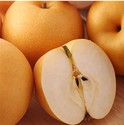
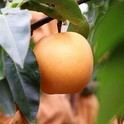
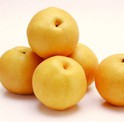
As a dedicated sweet pear supplier, I've spent years cultivating and distributing these delicious fruits. Sweet pears are not only a treat for the taste buds but also a significant part of the agricultural industry. However, like all crops, they are vulnerable to various pests and diseases that can impact their quality and yield. In this blog, I'll share insights into the common pests and diseases that affect sweet pears and discuss strategies to manage them.
Common Pests Affecting Sweet Pears
Codling Moth (Cydia pomonella)
The codling moth is one of the most notorious pests of sweet pears. The adult moths lay their eggs on the leaves and fruit of the pear trees. Once the eggs hatch, the larvae bore into the fruit, causing damage from the inside. This can lead to premature fruit drop and a significant reduction in the marketable yield.
To control codling moths, integrated pest management (IPM) strategies are often employed. This includes the use of pheromone traps to monitor adult moth populations. When the trap catches reach a certain threshold, insecticides can be applied at the appropriate time to target the newly hatched larvae before they enter the fruit. Biological control methods, such as the release of trichogramma wasps, which parasitize codling moth eggs, can also be effective in reducing pest populations.
Pear Psylla (Cacopsylla pyricola)
Pear psylla is another common pest that affects sweet pears. These small, sap - sucking insects feed on the leaves and shoots of the pear trees. As they feed, they excrete a sticky substance called honeydew, which can lead to the growth of sooty mold on the leaves and fruit. This not only affects the photosynthesis of the tree but also reduces the aesthetic appeal of the fruit.
Monitoring pear psylla populations is crucial for effective control. Insecticidal soaps and oils can be used to control early - stage infestations. In more severe cases, chemical insecticides may be necessary. However, it's important to use these products carefully to avoid harming beneficial insects.
Aphids
Aphids are small, soft - bodied insects that can cluster on the undersides of leaves and the tips of new growth. They suck the sap from the pear trees, causing stunted growth, curled leaves, and reduced fruit quality. Like pear psylla, aphids also excrete honeydew, which can attract ants and promote the growth of sooty mold.
Controlling aphids can be achieved through several methods. Natural predators, such as ladybugs and lacewings, can help keep aphid populations in check. In addition, spraying the trees with a strong stream of water can dislodge the aphids. For more persistent infestations, insecticidal soaps or neem oil can be used.
Common Diseases Affecting Sweet Pears
Fire Blight (Erwinia amylovora)
Fire blight is a highly destructive bacterial disease that affects sweet pears. It can cause the blossoms, shoots, and branches of the pear tree to turn black and appear as if they have been burned. The bacteria are spread by insects, rain, and pruning tools. Once a tree is infected, the disease can spread rapidly throughout the orchard.
Preventing fire blight is crucial. This includes proper pruning to remove infected branches and maintaining good orchard hygiene. Copper - based sprays can be applied during the dormant season to help prevent the spread of the bacteria. Infected branches should be removed and destroyed promptly to prevent the further spread of the disease.


Pear Scab (Venturia pirina)
Pear scab is a fungal disease that affects the leaves, fruit, and twigs of sweet pear trees. It causes dark, scabby lesions on the fruit, which can reduce its marketability. The fungus overwinters on fallen leaves and twigs, and the spores are spread by wind and rain.
To control pear scab, cultural practices such as removing fallen leaves and pruning to improve air circulation in the orchard are important. Fungicide sprays can also be applied at specific times during the growing season to prevent infection.
Brown Rot (Monilinia fructicola)
Brown rot is a fungal disease that affects sweet pears, especially during periods of warm, humid weather. It causes the fruit to rot and develop a fuzzy, brown growth on the surface. The fungus can infect the fruit through wounds or natural openings.
Preventing brown rot involves good orchard sanitation, including the removal of infected fruit from the ground and the tree. Fungicide sprays can be used to protect the fruit from infection, especially during the bloom and pre - harvest periods.
Impact on Sweet Pear Quality and Yield
Pests and diseases can have a significant impact on the quality and yield of sweet pears. Infected or damaged fruit is often unmarketable, leading to financial losses for growers and suppliers like me. Even if the damage is not severe enough to render the fruit completely unmarketable, it can still reduce the price that the fruit commands in the market.
For example, fruit with scab lesions or insect damage may be downgraded to a lower grade, which means a lower price per unit. In addition, severe pest and disease infestations can weaken the pear trees, reducing their overall productivity in the long term.
Management Strategies for a Healthy Orchard
To ensure a healthy orchard and high - quality sweet pears, a combination of cultural, biological, and chemical control methods is often necessary.
Cultural practices, such as proper pruning, irrigation, and fertilization, can help keep the pear trees healthy and more resistant to pests and diseases. Pruning helps improve air circulation in the orchard, reducing the humidity levels that favor the growth of fungal diseases. Adequate irrigation and fertilization ensure that the trees have the nutrients they need to grow strong and healthy.
Biological control methods, as mentioned earlier, can be an effective and environmentally friendly way to manage pests. By encouraging the presence of beneficial insects and using natural enemies of pests, we can reduce the reliance on chemical pesticides.
When chemical control is necessary, it's important to use pesticides responsibly. This includes following the label instructions carefully, using the appropriate products at the right time, and rotating pesticides to prevent the development of resistance in pests and diseases.
The Importance of Quality in Our Sweet Pears
At our operation, quality is of the utmost importance. We take pride in supplying Whasan Pear, which is known for its excellent flavor and texture. Our Best Tasting Pear is carefully selected and cultivated to meet the highest standards. We also offer Pear Gift Box options, which are perfect for special occasions.
By effectively managing pests and diseases, we can ensure that our sweet pears maintain their high quality and flavor. This not only satisfies our customers but also helps us build a good reputation in the market.
Contact for Procurement
If you're interested in procuring our high - quality sweet pears, whether for retail, wholesale, or gift purposes, we'd love to hear from you. We are committed to providing the best - tasting and highest - quality sweet pears to our customers. Please reach out to discuss your specific needs and let's start a fruitful business relationship.
References
- Agrios, G. N. (2005). Plant Pathology. Elsevier Academic Press.
- Hull, L. A., & Glen, D. M. (Eds.). (2004). Pests and Diseases of Fruit Crops. Blackwell Publishing.
- Westwood, M. N. (1993). Temperate - Zone Pomology: Physiology and Culture. Timber Press.