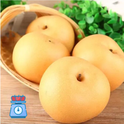
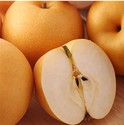
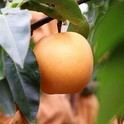
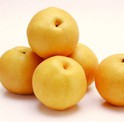
Hey there, fruit lovers! I'm a supplier of Brown Pears, and I'm super stoked to share some awesome tips on how to enhance the flavor of these delicious fruits. Brown Pears are a real gem in the world of pears, offering a unique taste and texture that can be taken to the next level with a few simple tricks.
First off, let's talk about the different types of Brown Pears out there. We've got the Sugar Pear, which, as the name suggests, is incredibly sweet. Then there's the Sweet Pear, which lives up to its name with a lovely sugary taste. And don't forget the Fragrant Pear, which has a wonderful aroma that just adds to its appeal.
Picking the Right Pears
The first step in enhancing the flavor of Brown Pears is to pick the right ones. You want to look for pears that are firm but not rock - hard. Give the neck of the pear a gentle squeeze; if it gives a little, it's probably ripe and ready to eat. Avoid pears that are overly soft or have bruises, as these can affect the taste.


If you're buying pears in bulk, it's a good idea to check a few different ones in the batch. Sometimes, there can be a variation in ripeness, even within the same crate. And if you're not planning to eat them right away, you can choose slightly firmer pears and let them ripen at home. Just pop them in a paper bag with an apple or a banana. These fruits release ethylene gas, which helps speed up the ripening process.
Storage
Proper storage is key to maintaining and enhancing the flavor of Brown Pears. If your pears are still unripe, you can keep them at room temperature. This allows them to continue ripening naturally. But once they're ripe, it's best to store them in the refrigerator. The cool temperature slows down the ripening process, preventing them from becoming overripe too quickly.
Just make sure to put them in a plastic bag or an air - tight container. This helps keep the moisture in and also prevents the pears from absorbing any odors from other foods in the fridge. And if you've cut a pear and have some left over, wrap it tightly in plastic wrap or put it in a sealed container. You can even add a little lemon juice to prevent it from turning brown.
Pairing with Other Ingredients
One of the best ways to enhance the flavor of Brown Pears is to pair them with other ingredients. They go really well with cheese. A sharp cheddar or a creamy brie can complement the sweetness of the pears beautifully. You can make a simple cheese and pear platter by slicing the pears and arranging them on a plate with some cheese cubes and a few crackers.
Nuts are another great pairing. Walnuts, almonds, or pecans add a nice crunch and a nutty flavor to the pears. You can sprinkle some chopped nuts over a pear salad or add them to a pear tart. And speaking of salads, a pear salad with arugula, goat cheese, and a light vinaigrette is a match made in heaven. The bitterness of the arugula, the tanginess of the goat cheese, and the sweetness of the pears create a perfect balance of flavors.
Cooking
Cooking Brown Pears can take their flavor to a whole new level. Baking is a popular method. You can core the pears and fill the cavity with a mixture of brown sugar, cinnamon, and a little butter. Then bake them in the oven at around 375°F (190°C) for about 30 - 40 minutes, or until they're tender. The heat caramelizes the sugar and intensifies the flavor of the pears.
Poaching is another great option. Simmer the pears in a mixture of water, sugar, and some spices like cloves and cinnamon. You can also add a splash of wine, like a dry white wine or a sweet dessert wine. Poached pears are not only delicious on their own but can also be used in a variety of desserts, such as tarts, cakes, or served with ice cream.
Seasoning
Adding the right seasonings can really enhance the flavor of Brown Pears. Cinnamon is a classic choice. Just a sprinkle of it on a sliced pear can bring out its natural sweetness. Nutmeg is another great spice. It has a warm, slightly sweet flavor that pairs well with pears. You can use it in both sweet and savory dishes.
For a savory twist, try adding a little salt and pepper to your pear slices. The salt helps to bring out the sweetness, while the pepper adds a bit of a kick. And if you're feeling adventurous, you can experiment with other spices like cardamom or ginger. These can add an exotic flavor to your pears.
Juicing
Juicing Brown Pears is a great way to enjoy their flavor in a different form. You can use a juicer to extract the juice, or if you don't have one, you can puree the pears in a blender and then strain the mixture through a fine - mesh sieve.
You can drink the pear juice on its own, or you can mix it with other juices. Orange juice and pear juice make a refreshing combination. You can also add a splash of lemon juice to give it a little zing. And if you want to make it a bit more special, you can add a few mint leaves or a sprig of thyme to the juice for an extra burst of flavor.
Using in Desserts
Brown Pears are a fantastic ingredient in desserts. A classic pear tart is always a crowd - pleaser. You can make a simple pastry crust and fill it with sliced pears, a layer of custard, and a sprinkle of sugar on top. Then bake it until the crust is golden brown and the pears are tender.
Pear pie is another great option. The filling can be made with a combination of cooked pears, sugar, flour, and spices. You can top it with a lattice crust or a solid crust, depending on your preference. And of course, pear cobbler is a comfort food favorite. Just make a batter with flour, sugar, milk, and butter, pour it over the cooked pears, and bake until the top is crispy.
Conclusion
So there you have it, folks! These are some of the best ways to enhance the flavor of Brown Pears. Whether you're eating them fresh, cooking them, or using them in desserts, there are endless possibilities to make these pears even more delicious.
If you're interested in sourcing high - quality Brown Pears for your business or just for your own personal use, I'd love to chat with you. Reach out to me to discuss your needs, and we can work together to get you the best Brown Pears at a great price.
References
- "The Fruit Bible" by Karen Page and Andrew Dornenburg
- "Fruits: A Global History" by Andrew F. Smith